Leah's Yard, Sheffield. - Service banner image

Leah's Yard, Sheffield.

Leah's Yard, Sheffield.

Leahs Yard, Sheffield

Bringing a Slice of Sheffield Heritage Back to Life

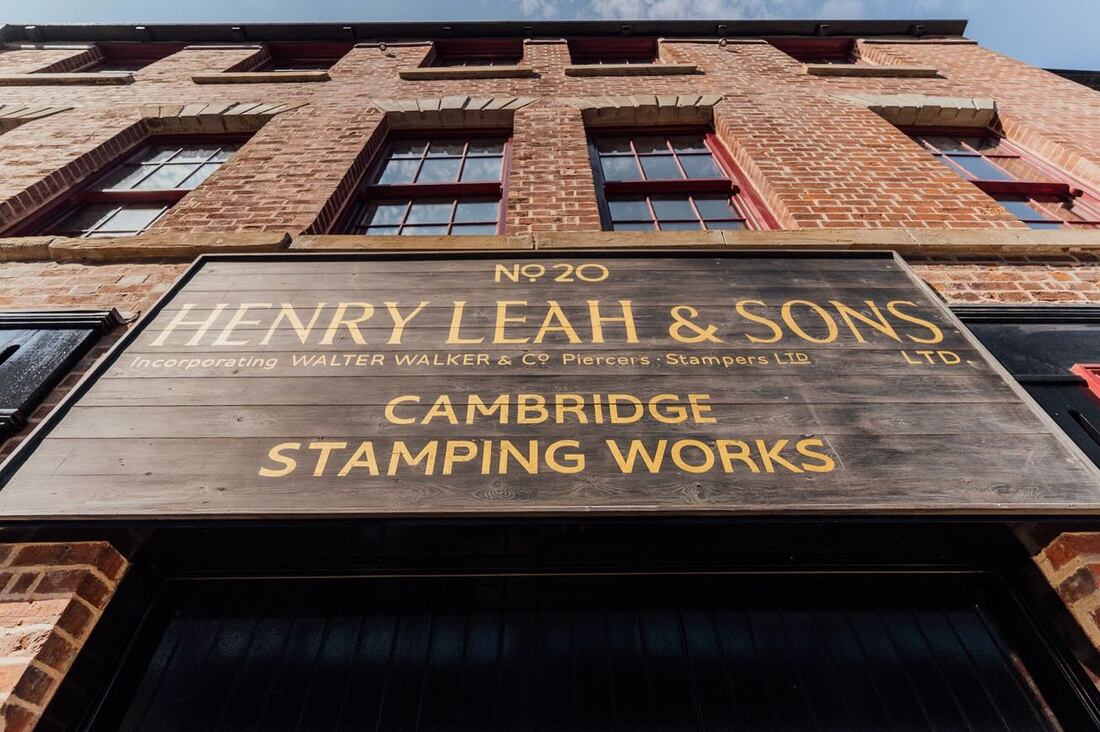
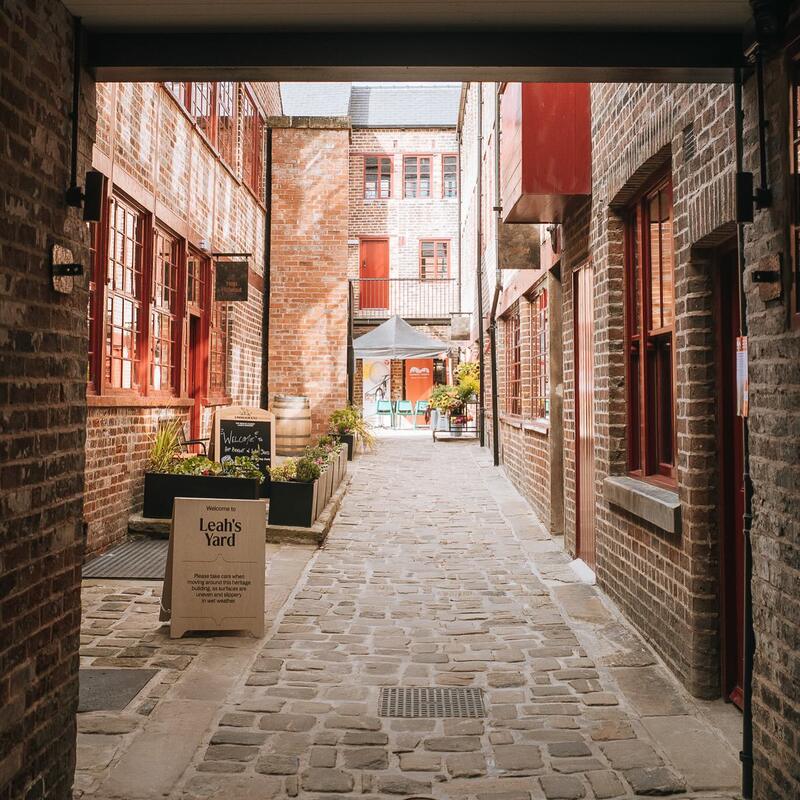
Leah's Yard is nestled in the heart of Sheffield City Centre and is a real piece of Sheffield's stainless steel heritage.

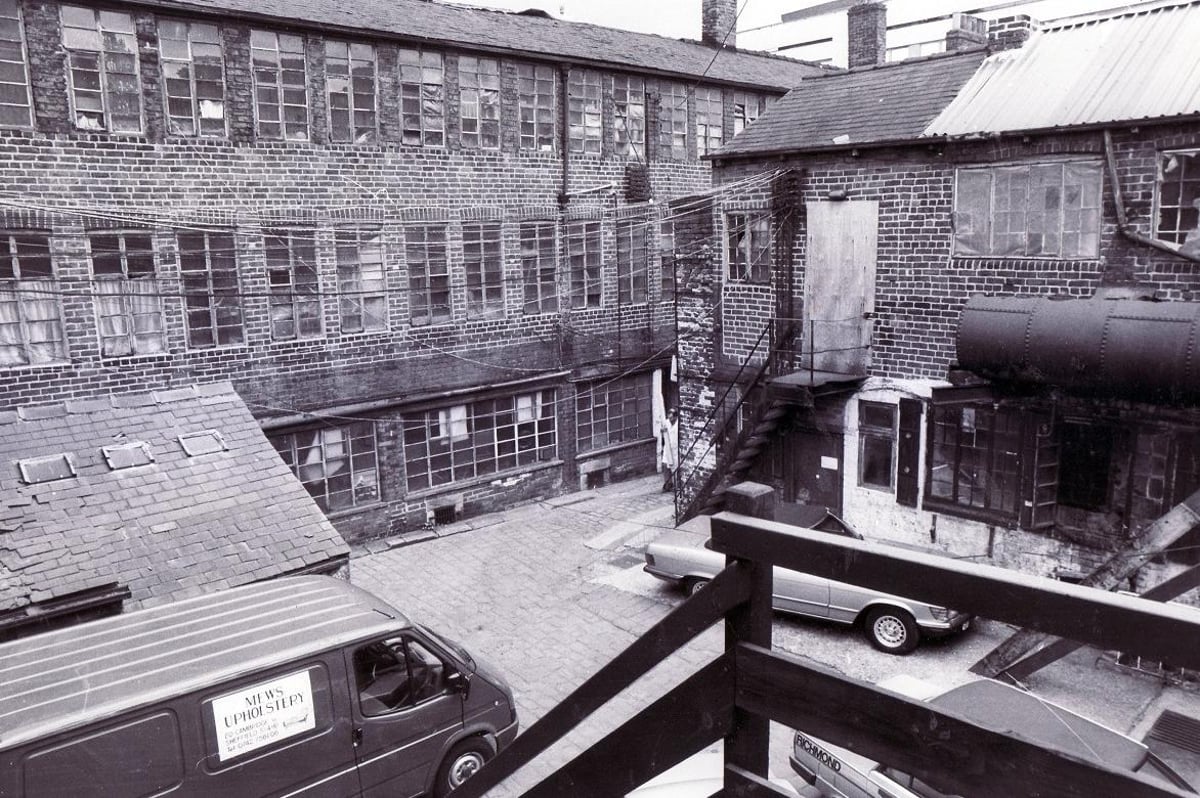
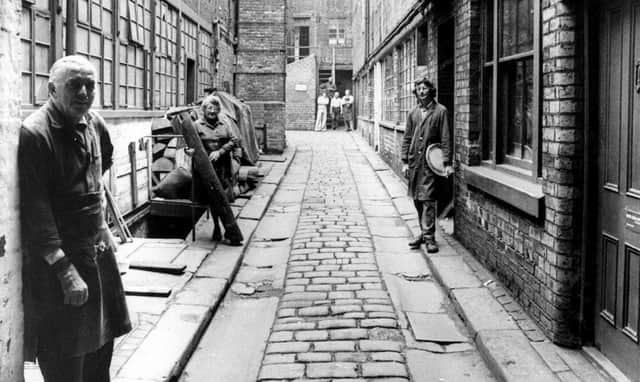
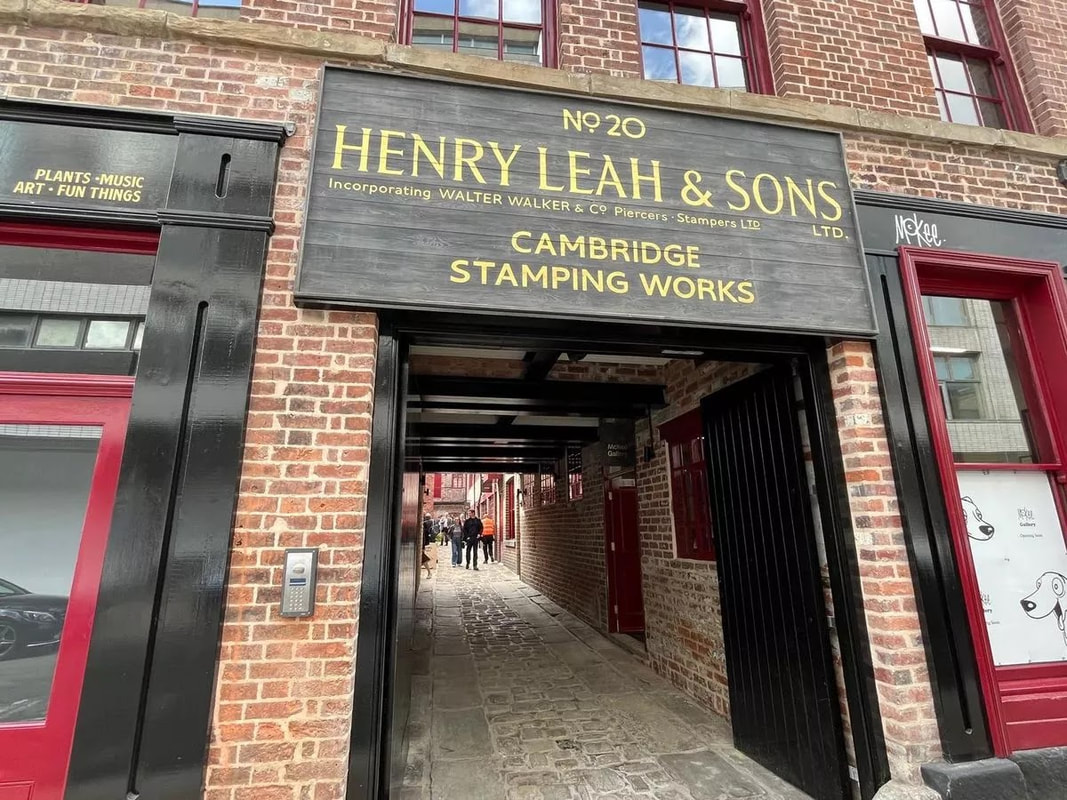
Constructed in the early part of the 19th century, originally it was a place for the manufacturer of shears and other hand tools, and later in the 1800's it was the home of Sheffield platers and knife manufacturers, and lately steel piercers and stampers, becoming known as the Cambridge Stamping Works. 

​In the 1900's, the flexibility of the buildings that made up what by then had become known as Leah's Yard made them perfect for a variety of different metal industry trades, and by 1905, the workshops around Leah's Yard were occupied by eighteen Little Masters whose trades included dram flask manufacturer, palette knife makers, and steel fork manufacture.

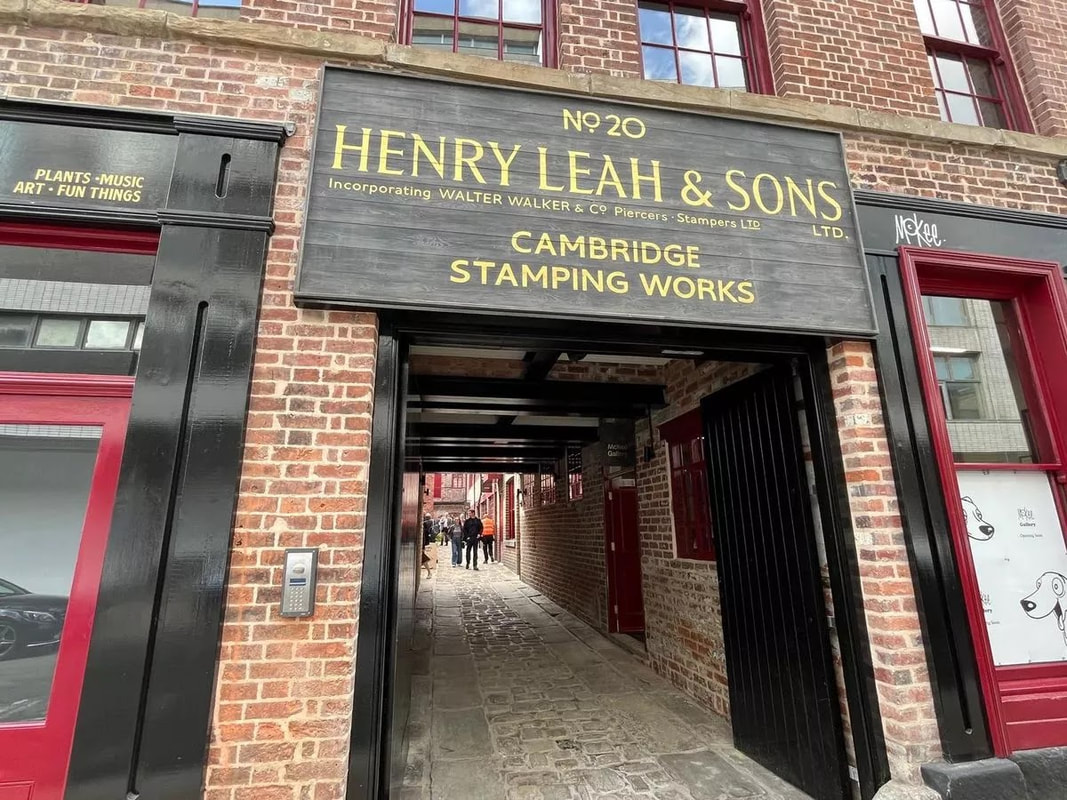
The Grade II yard and its buildings have stood derelict until they were included in the Sheffield City Council's Heart of the City II project, which has seen them renovated and reborn as a home to local small independent shops and businesses, opened in August 2024.

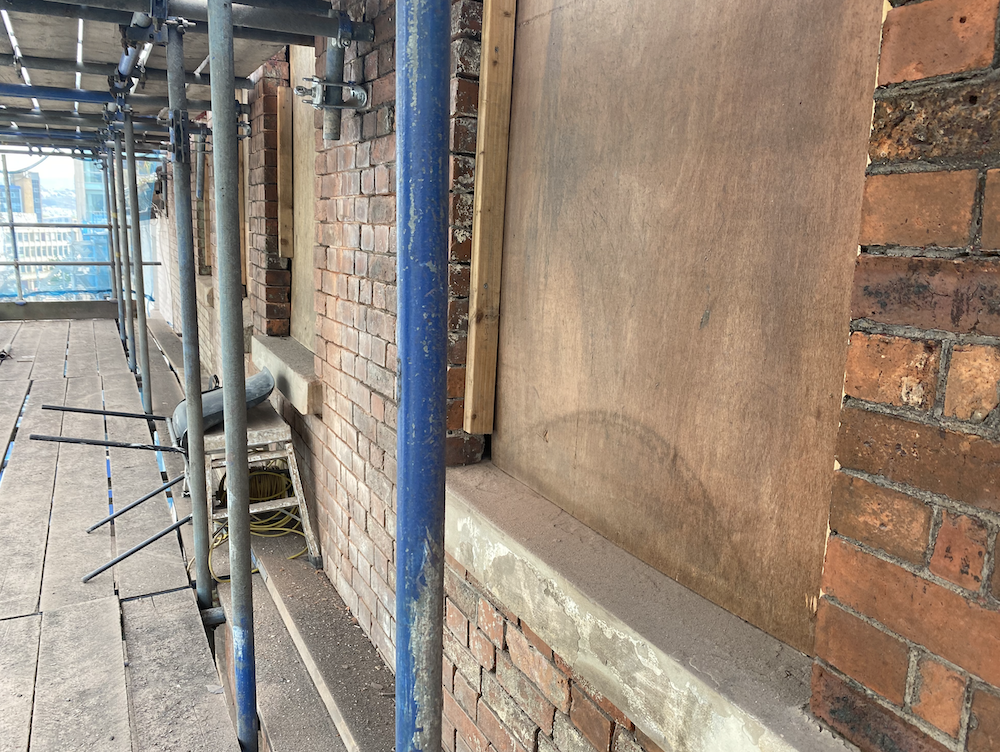
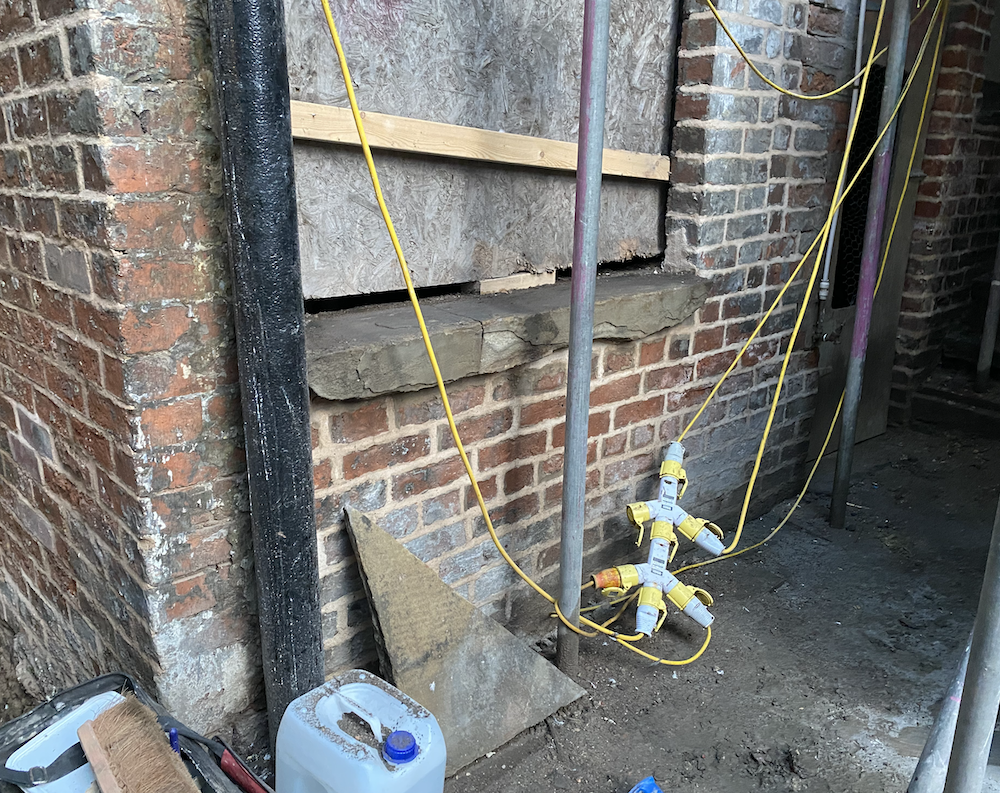
Image 1
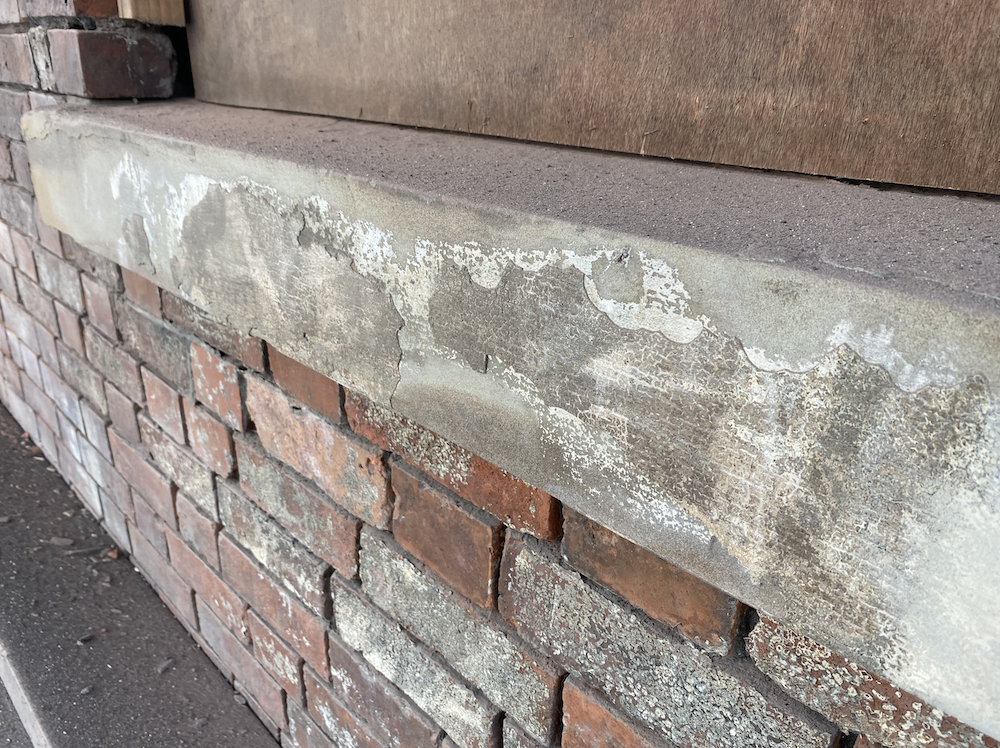
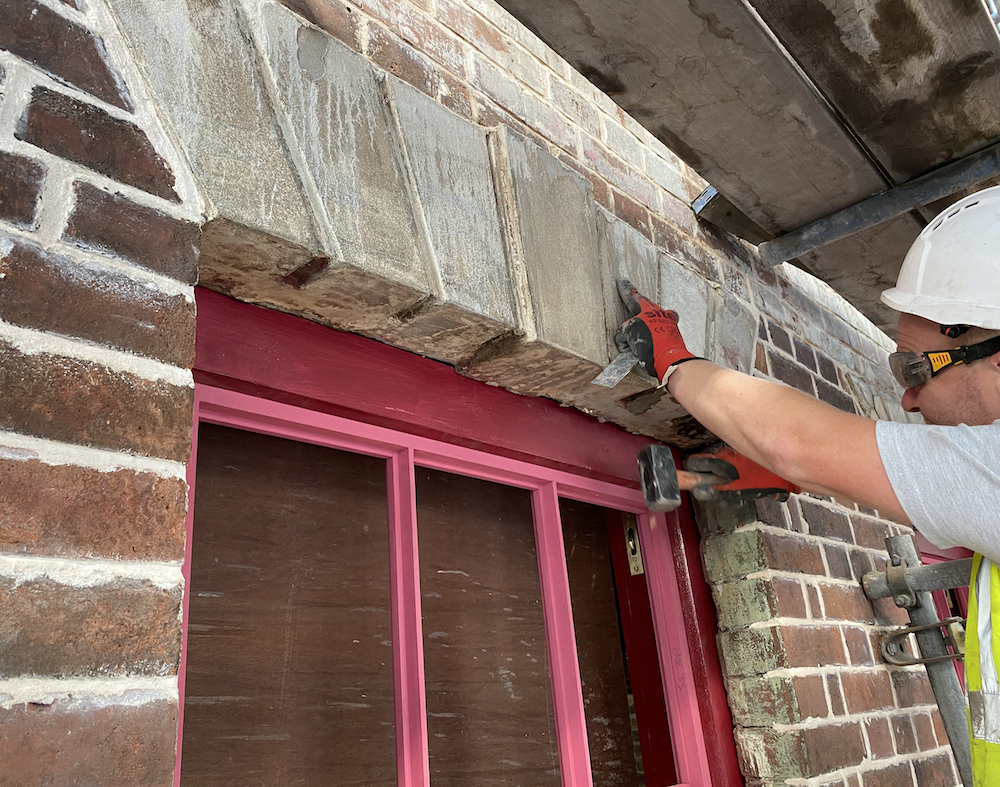
Image 2
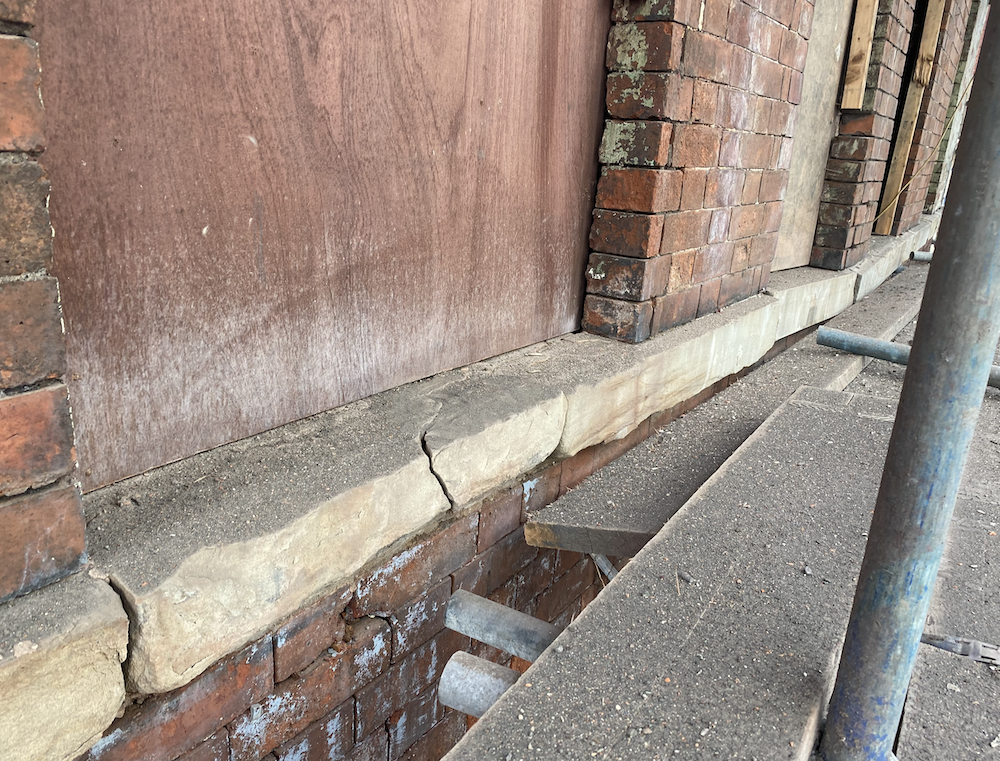
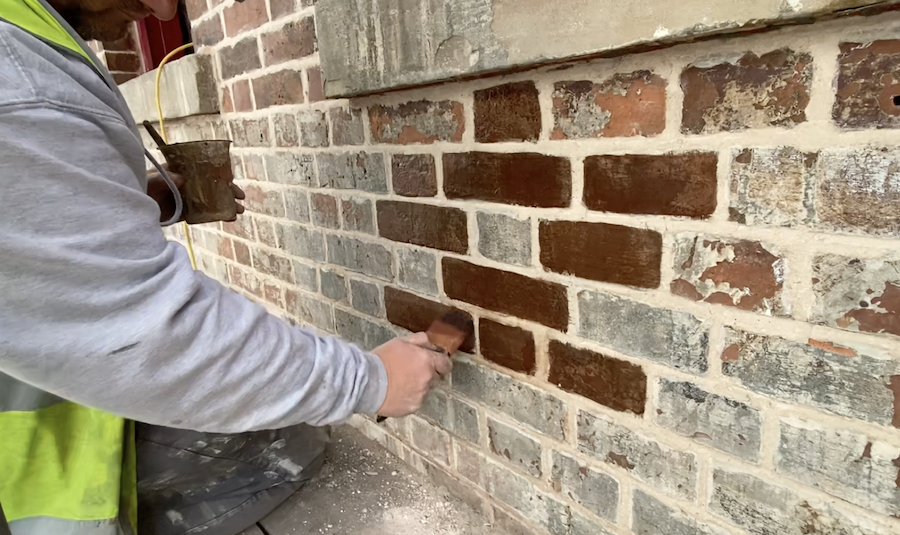
Image 3
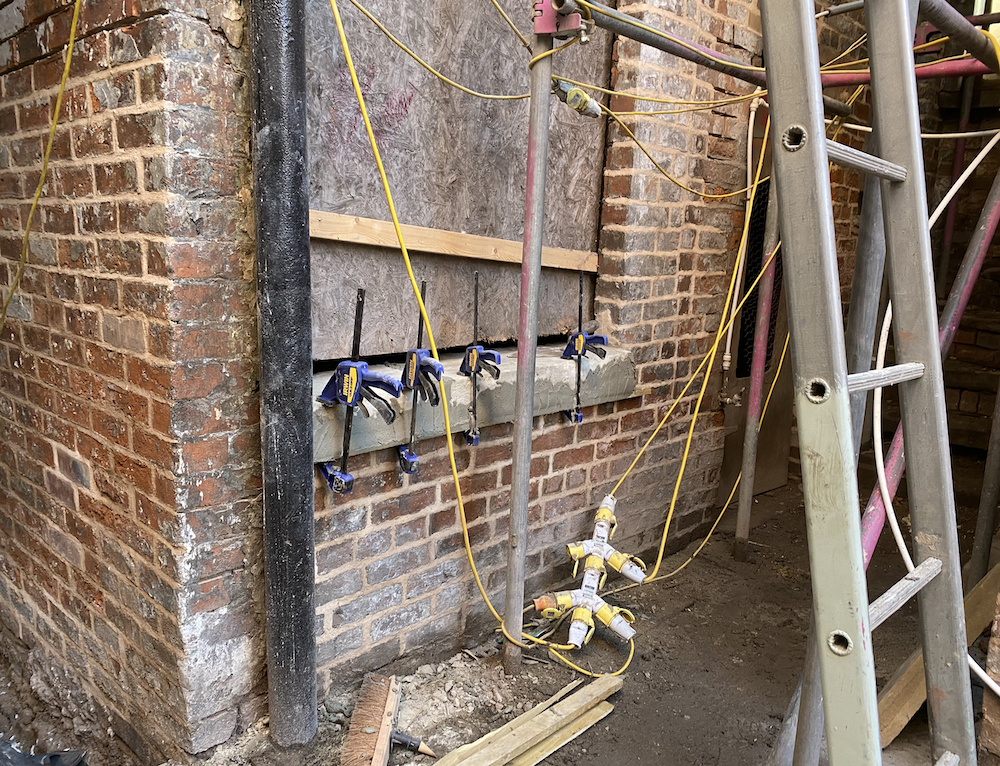
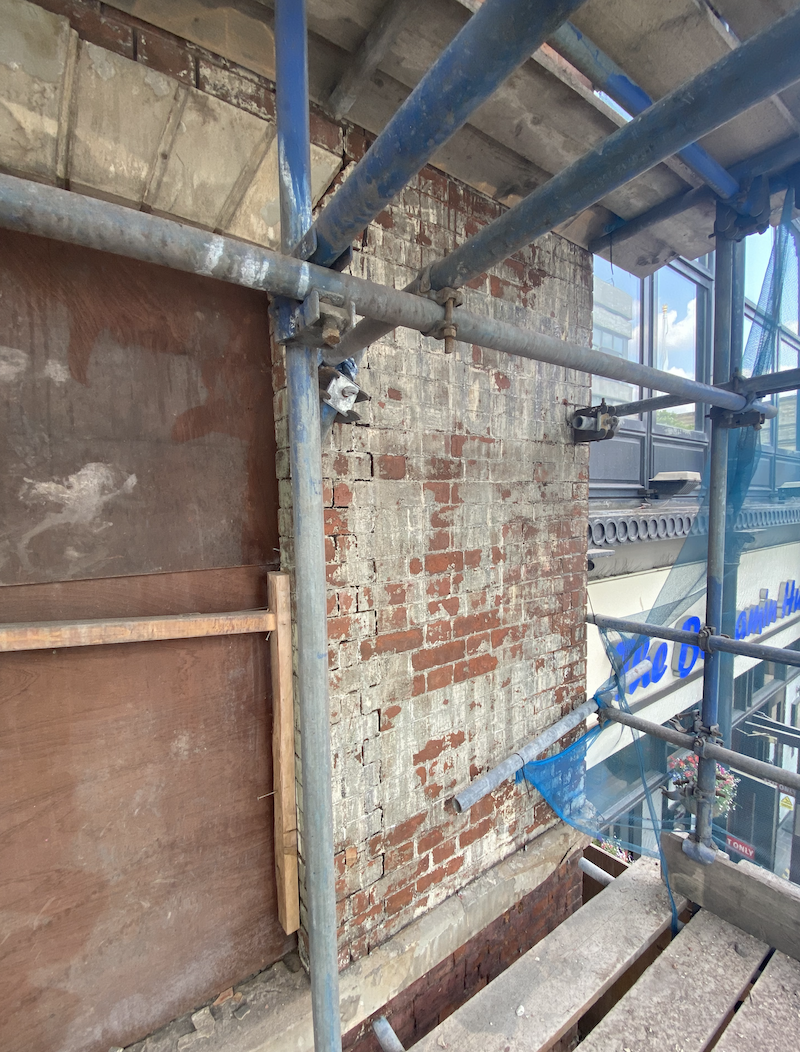
Image 4

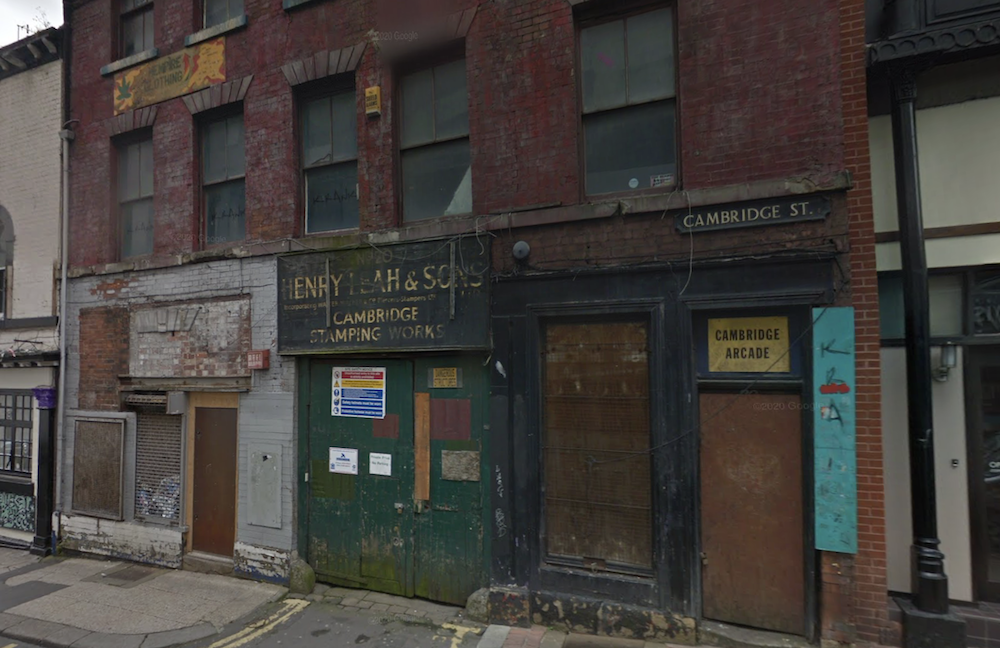
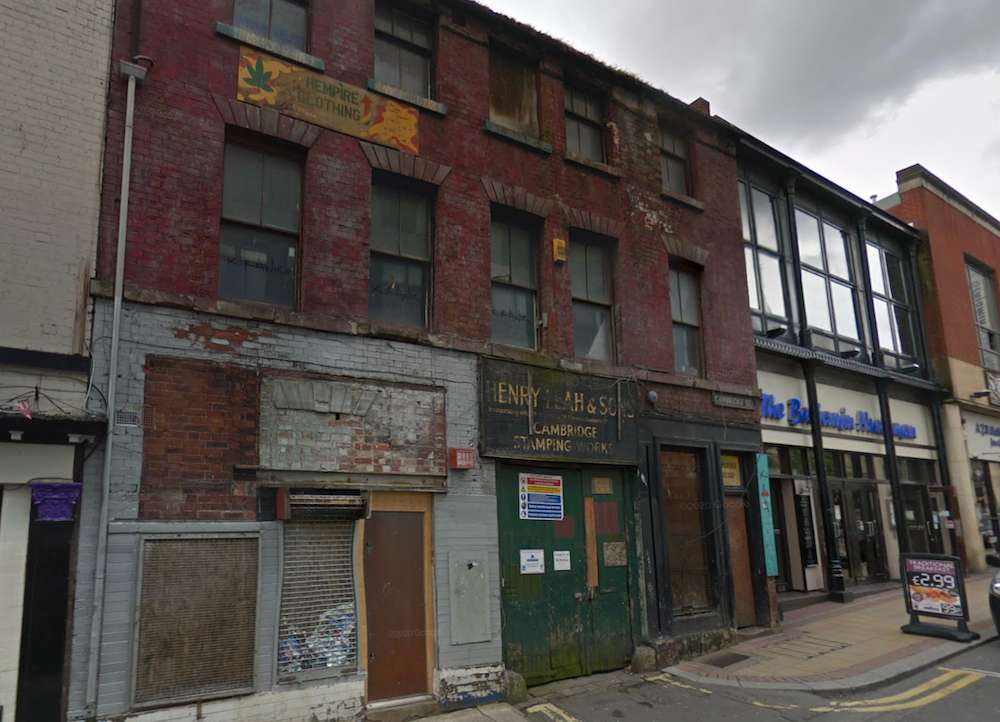
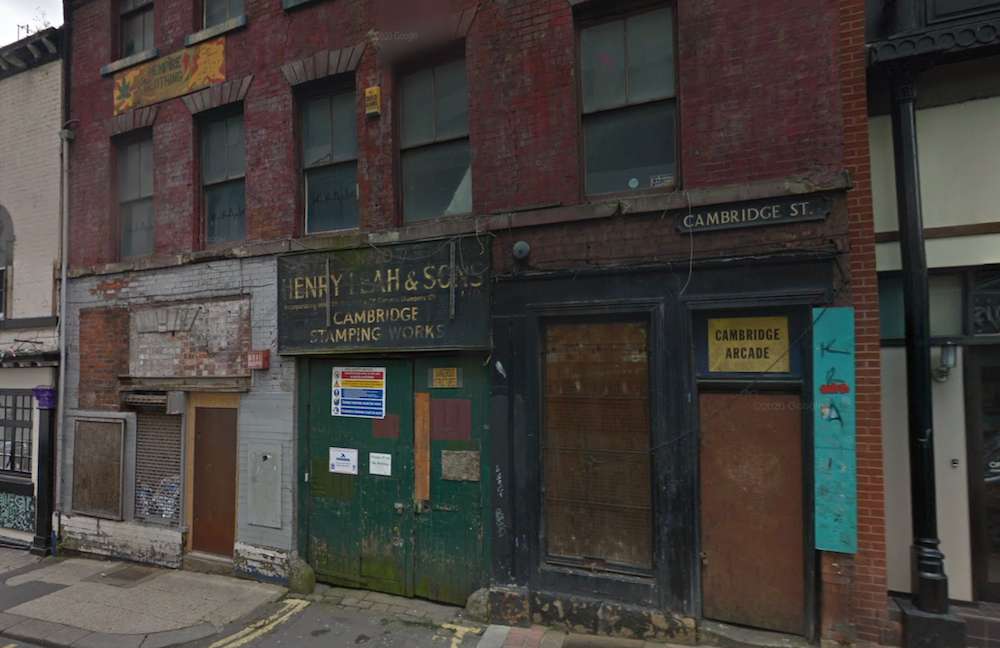
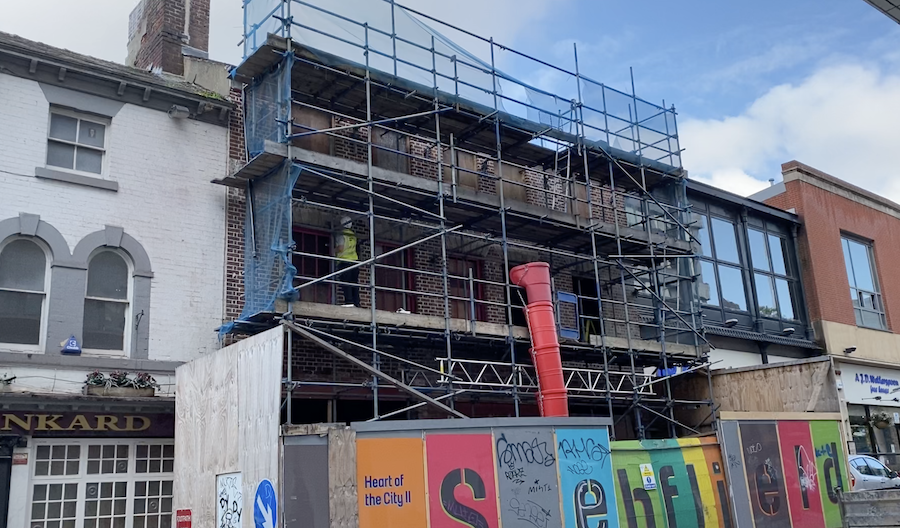
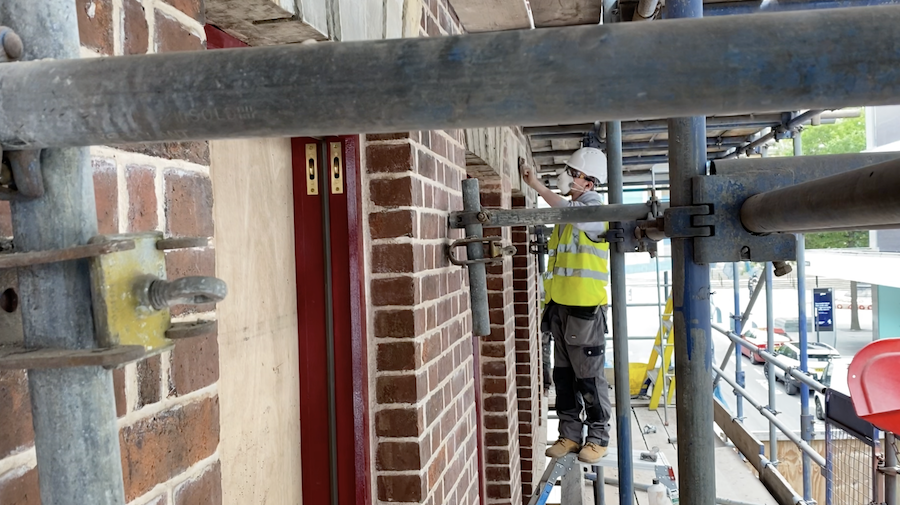
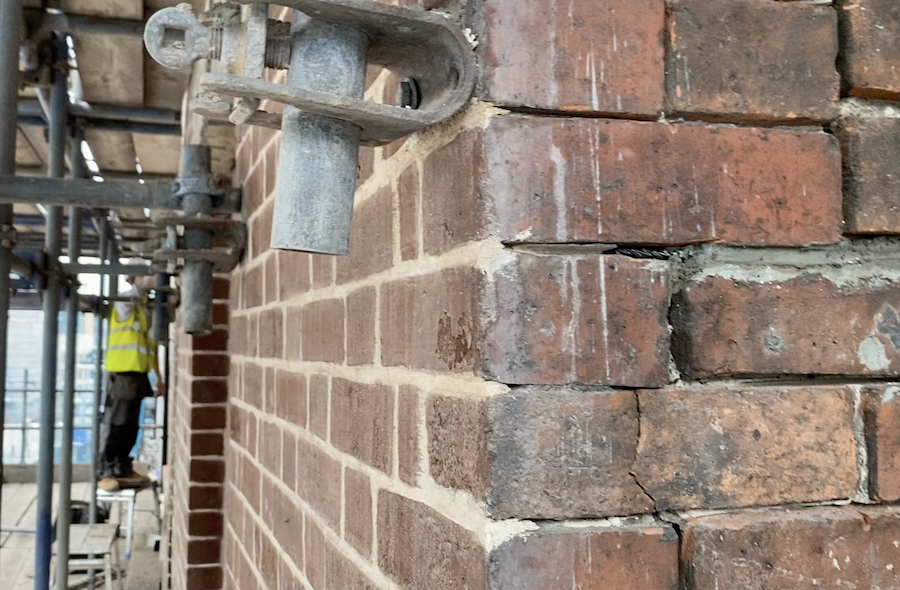
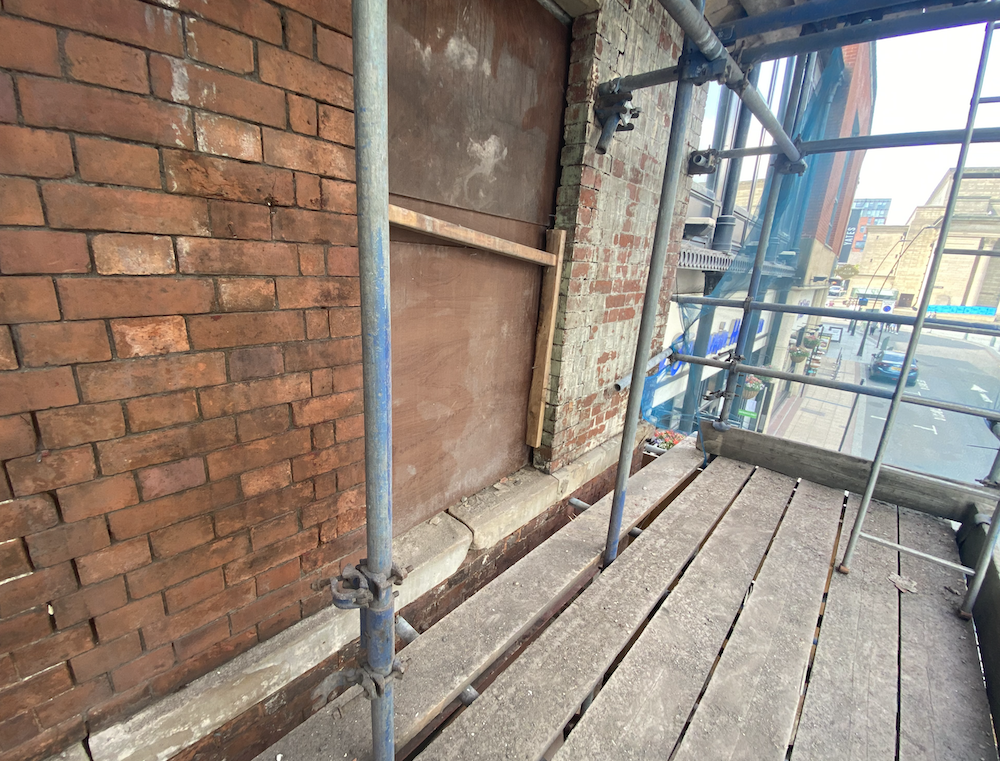
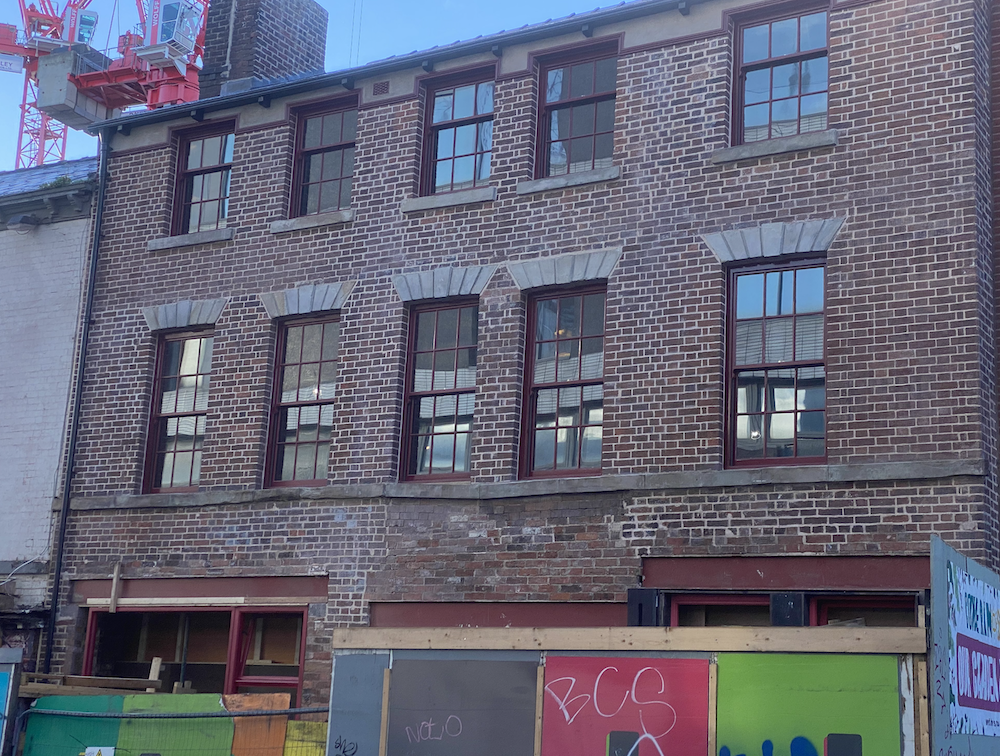
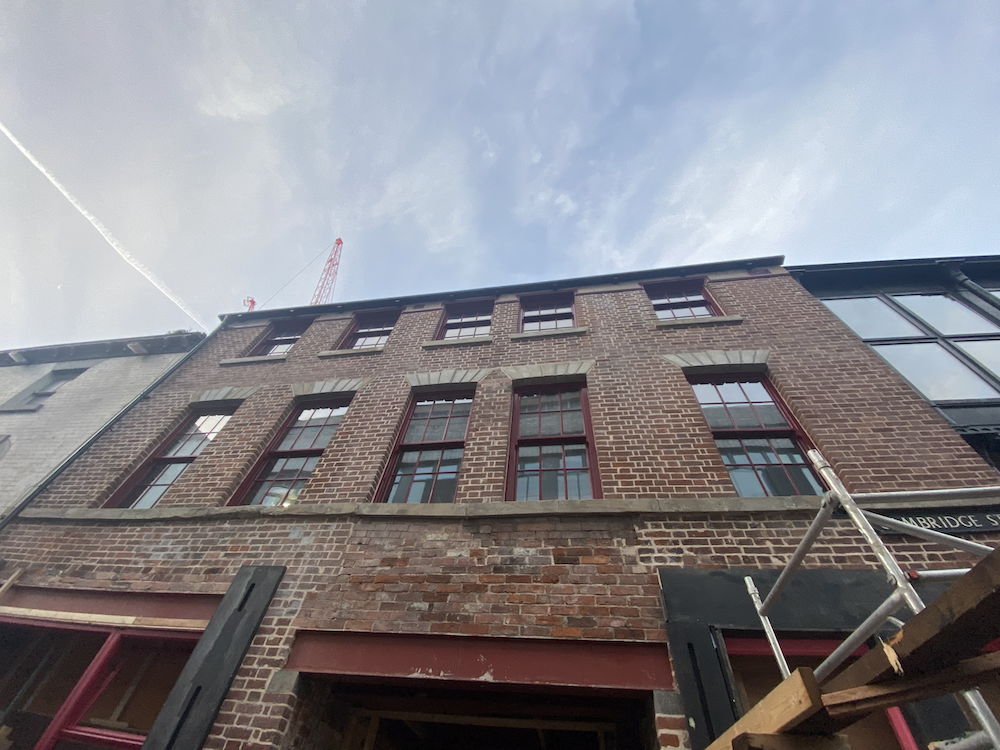
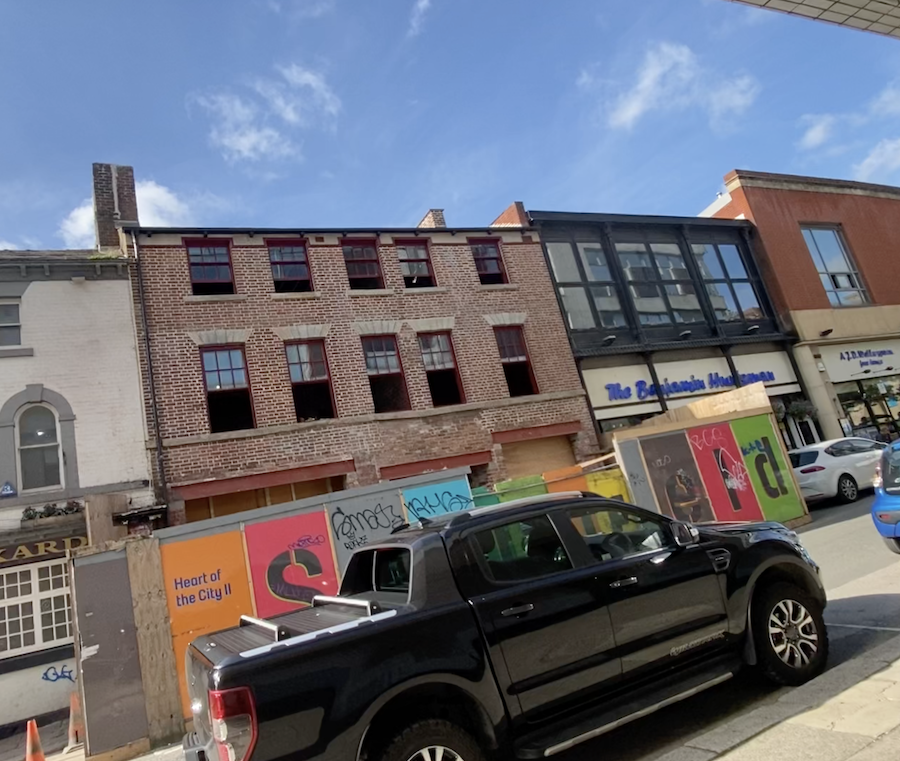
A sensitive renovation to a historic Grade II listed building in the heart of Sheffield, including brick, mortar and stone repairs, cleaning and colour restoration. 

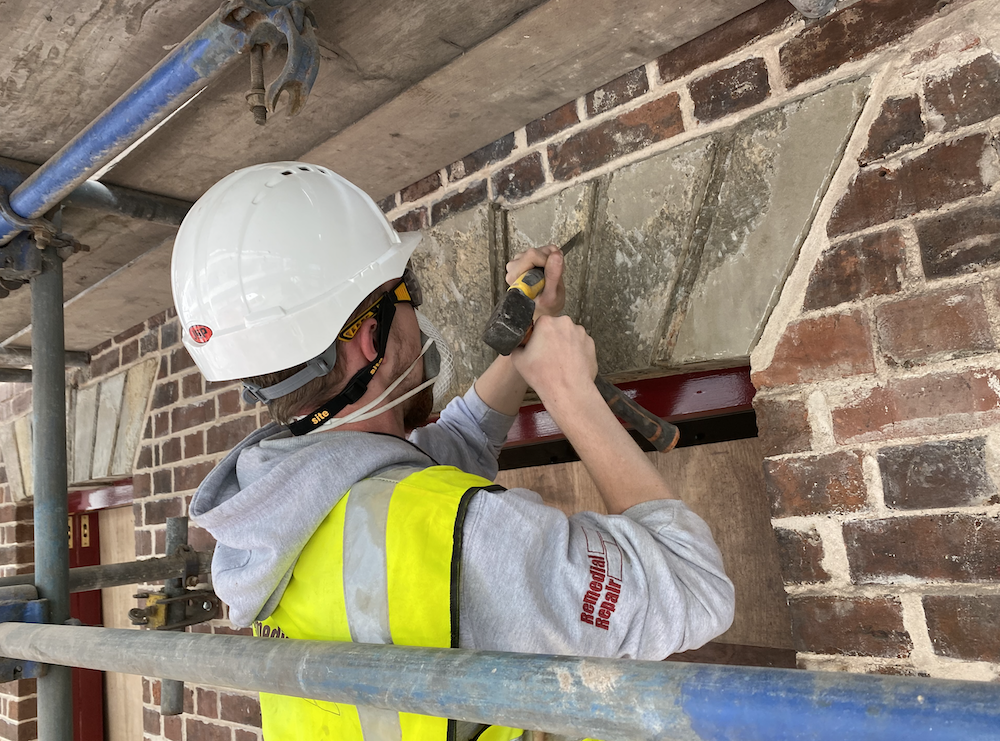
Remedial Repair were involved in the renovation project, working alongside the contractor and Sheffield City Council. Our work extended to careful and strictly controlled restoration and repair of the natural stonework and facing brickwork in various areas around the property.

This included the removal of years and years of various layers of paint that had been applied to the stone cills and headers, and then restoring them to their natural state. This was all carried out using hand tools only, in line with the requests of the Conservation Officers' guidelines that the restoration should be completed without the help of modern-day electrical tools wherever possible. 

​The restoration of the stone was also only taken to a level that restored it to the required level.  We maintained areas that had slipped and become unaligned in order to keep the integrity and history of the building, as long as they were safe and secure. 

Work also included a sensitive brick tint wash to the front elevation to remove remnants of years of paint and render coatings from the brickwork, which was also repointed in a traditional lime mortar. 
Before and After - After restoration work
After
Before and After - Before restoration work
Before